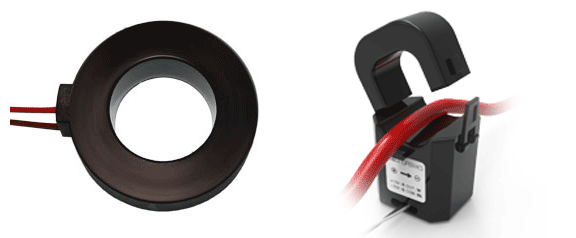
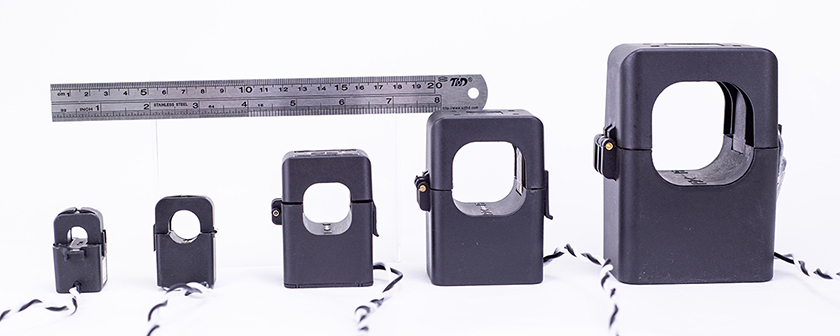
Current Transducers are a key component of every power monitoring system. If you have ever wondered why they are used or how they work, here's a quick review of alternating current transducer basics.
Read More
Editor's note: This blog was originally posted in 2015. Although electrical definitions haven’t changed, it was updated in 2023 because the cost of electricity has increased and resources for monitoring power usage have been added.
Read More
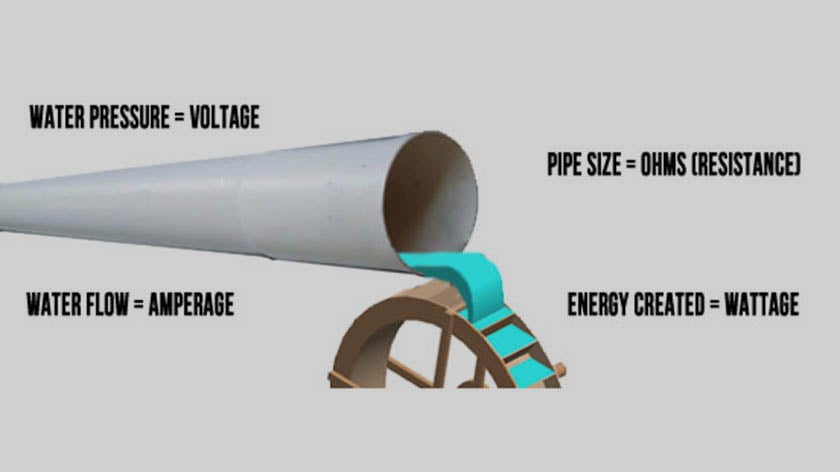
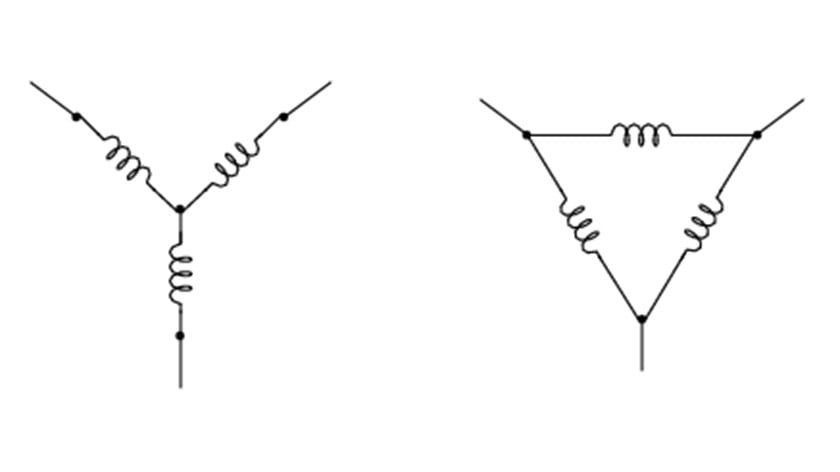
Electricity can seem both simple and confusing at the same time. A refresher on things like the differences between volts, amps and watts never hurts. Or a recap of where a direct current system may make the most sense. One particularly tricky...
Read More
Power and environmental monitoring can reduce outages and downtime by keeping you abreast of operating conditions within your critical facilities at all times. You can be alerted to issues quickly before they escalate into serious problems. And you...
Read More
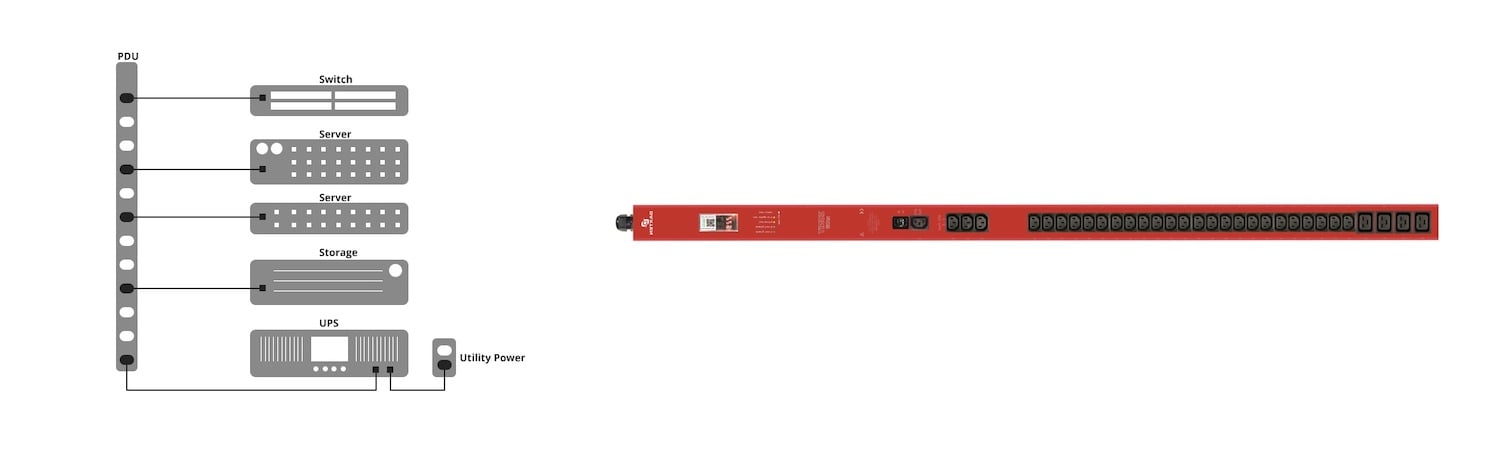
Power distribution units (PDUs), commonly referred to as power strips or rack mounted power distribution units (RMPDUs), are critical components within a data center's power hierarchy. They include multiple outlets that provide power to rack level...
Read More
You've decided to monitor energy use in your facility. The good news is that you've got a number of options to do this. The not-so-good news is that the options can sometimes seem overwhelming. One such choice is to monitor current only or full...
Read More
Current transducers (CTs) are a critical component of power monitoring. They come in a variety of formats, sizes, current ratings and accuracy levels. The aspect we would like to focus on here is size, specifically inside diameter.
Read More
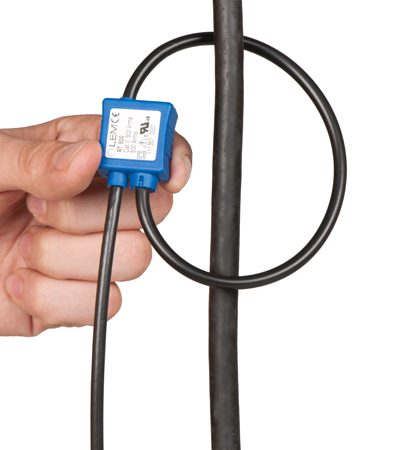
Conventional split-core CTs may not always be the best solution when installing current transducers on existing cable bundles. The CT may not fit around the conductor or in the required space. An easy alternative is to use a Rogowski coil.
Read More
Data center power connectors have several attributes. Maximum amperage and voltage are obvious, as is whether the conductor supports 3, 4 or 5 wires. You will also often see an "IP" designation, typically IP44 or IP67. Read on if you've ever...
Read More