



How Does Floor PDU Monitoring Help Prevent Downtime in Mission-Critical Facilities?

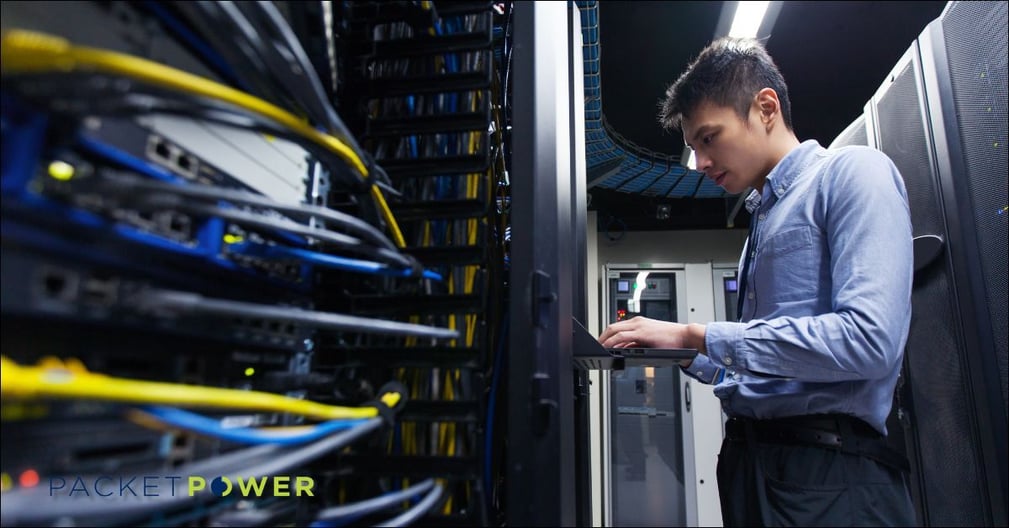
Preventing downtime with floor PDU monitoring is one of the most effective ways to reduce operational risks in environments that require consistent power. Floor PDUs, or Power Distribution Units, are essential for delivering electricity to mission-critical equipment in settings like data centers, hospitals, and telecommunications hubs.
By monitoring these units, facility teams can detect early signs of trouble, such as overloads, electrical imbalances, or heat issues that could lead to system failures. With the right monitoring setup, preventing downtime with floor PDU monitoring becomes a proactive strategy.
Facilities gain access to real-time data, enabling quick responses to potential disruptions and helping maintain consistent performance across critical infrastructure.
What Is a Floor PDU and Why Is It Important?
A floor PDU is a device that distributes power from a central source to various pieces of equipment within a facility. Installed at the floor level, these units support higher power capacities than rack-mounted versions and often manage the electrical load for entire sections of a facility.
Preventing downtime with floor PDU monitoring depends on understanding how these units function. Because they are the final stop before power reaches essential equipment, any failure at the floor PDU level can impact multiple systems.
Monitoring ensures these devices remain stable and helps protect against service interruptions.
What Causes Downtime in Mission Critical Environments?
Downtime in mission-critical environments can result from a range of avoidable issues:
-
Electrical overloads that trip breakers or damage components
-
Phase imbalances that increase system stress and reduce efficiency
-
Faulty or aging components like connectors or circuit breakers
-
Excess heat or humidity that degrades performance
-
Mistakes during maintenance or configuration due to a lack of visibility
Each of these can lead to major outages. Preventing downtime with floor PDU monitoring provides the transparency needed to identify and address these issues before they escalate.
What Are the Benefits of Monitoring Floor PDUs?
Monitoring PDUs offers several practical advantages, particularly in environments that require continuous uptime. Preventing downtime with floor PDU monitoring includes benefits like:
- Access to real-time voltage, current, and power data
- Early detection of overheating, phase imbalances, and component failures
- Opportunities for load balancing and reducing the overuse of specific circuits
- Enhanced maintenance scheduling based on performance trends
- Improved energy efficiency and cost savings
- Reliable documentation for audits, reports, or service level agreements
These benefits contribute to a more stable infrastructure and a better ability to respond to potential threats.
What Features Should a Floor PDU Monitoring System Have?
To support preventing downtime with floor PDU monitoring, systems should offer features that help operations teams understand and control their power distribution:
1. Granular Monitoring
Measurements at the outlet or phase level to track detailed usage.
2. Remote Access
Connectivity that allows monitoring from a centralized location.
3. Environmental Sensing
Built-in temperature and humidity monitoring.
4. Configurable Alerts
Custom thresholds that trigger notifications for irregular conditions.
5. Integration Capability
Compatibility with DCIM or building management systems.
6. Logging and Reporting
Data storage for historical analysis and compliance
Selecting the right tools makes preventing downtime with floor PDU monitoring more achievable and helps integrate monitoring into broader facility management strategies.
How Do You Implement a Floor PDU Monitoring Strategy?
Implementing a successful monitoring strategy requires planning and collaboration. Preventing downtime with floor PDU monitoring should include the following steps:
1. Assess Existing Equipment
Identify which PDUs need to be upgraded or replaced with monitoring-capable models.
2. Plan Network Integration
Determine how monitoring systems will connect to your existing networks and management platforms.
3. Set Thresholds and Alerts
Define alert conditions based on your facility's power requirements and risk tolerance.
4. Train Staff
Educate the operations team on how to interpret monitoring data and respond to alerts.
5. Establish Review Procedures
Create a routine for reviewing data and reports to catch trends and anomalies.
6. Pilot the System
Start with a single zone before scaling up monitoring across the entire facility.
These steps help ensure that preventing downtime with floor PDU monitoring becomes part of the everyday workflow.
Is Floor PDU Monitoring Cost-Effective?
Preventing downtime with floor PDU monitoring offers a significant return on investment. Consider the following:
-
A major outage in a data center can cost hundreds of thousands of dollars per hour.
-
Monitoring systems typically represent a small fraction of that potential loss.
-
Energy savings and extended equipment life provide additional long-term benefits.
Avoiding even one significant outage can justify the investment in monitoring tools. Facilities that prioritize uptime quickly see the value.
What Are the Future Trends in Floor PDU Monitoring?
As power demands grow and operations become more distributed, several trends are shaping the future of PDU monitoring:
1. Smarter Alerts
More advanced analytics will reduce false alarms and detect trends earlier.
2. Edge Site Management
Monitoring will extend to remote and modular facilities, which often operate without full-time staff.
3. Sustainability Metrics
Data from PDUs will feed into broader energy and carbon tracking systems.
4. Unified Operations
Power monitoring will align more closely with IT and facility operations to provide a full view of system health.
Preventing downtime with floor PDU monitoring will continue to play a key role in these developments.
How Often Should You Review PDU Monitoring Data?
To keep your facility running smoothly:
- Check real-time alerts daily or immediately as they come in
- Review weekly summaries to track short-term usage trends
- Perform full audits quarterly to support planning and maintenance
Regular reviews help spot small issues before they become major problems. Preventing downtime with floor PDU monitoring depends on staying engaged with the data.
Conclusion
Preventing downtime with floor PDU monitoring is not just about plugging in sensors or deploying new software; it's about understanding the underlying causes of downtime. It is about rethinking your entire approach to power management.
Floor PDUs are often overlooked during planning, yet they are one of the most vital links in your electrical infrastructure. By actively monitoring these units, tracking performance, logging environmental conditions, and responding to real-time data, facilities can reduce the risk of outages, lower maintenance costs, and achieve broader reliability goals.
From hospitals to data centers and industrial operations, power monitoring at the floor PDU level provides the visibility needed to anticipate issues before they escalate. If you are looking to strengthen uptime and build smarter energy systems, do not ignore the floor.
Contact Packet Power today to see how we can help you succeed with power monitoring that works where it matters most.
FAQs
What does floor PDU monitoring involve?
Floor PDU monitoring involves tracking key electrical metrics like current, voltage, power, and temperature in real time. This data helps teams detect and respond to issues before they impact equipment uptime.
Can floor PDU monitoring be added to existing equipment?
In many cases, yes. Some legacy PDUs can be retrofitted with monitoring devices, while others may require full replacement to support modern monitoring features.
How does monitoring help prevent human error?
Monitoring provides visibility into power systems, which helps prevent mistakes related to overloading, misconfiguration, or overlooking early warning signs. Alerts and dashboards give teams actionable data to reduce risk.
Do smaller facilities benefit from floor PDU monitoring?
Absolutely. Even smaller facilities can suffer from costly outages, and floor PDU monitoring helps identify risks early and maintain stable operations.
Is floor PDU monitoring difficult to maintain?
Once properly installed and configured, floor PDU monitoring is generally low maintenance. Most systems provide automated alerts and regular reports, reducing the need for constant manual checks.