



Comparing Single Phase vs Three Phase Smart Power Cable Models: What You Need to Know

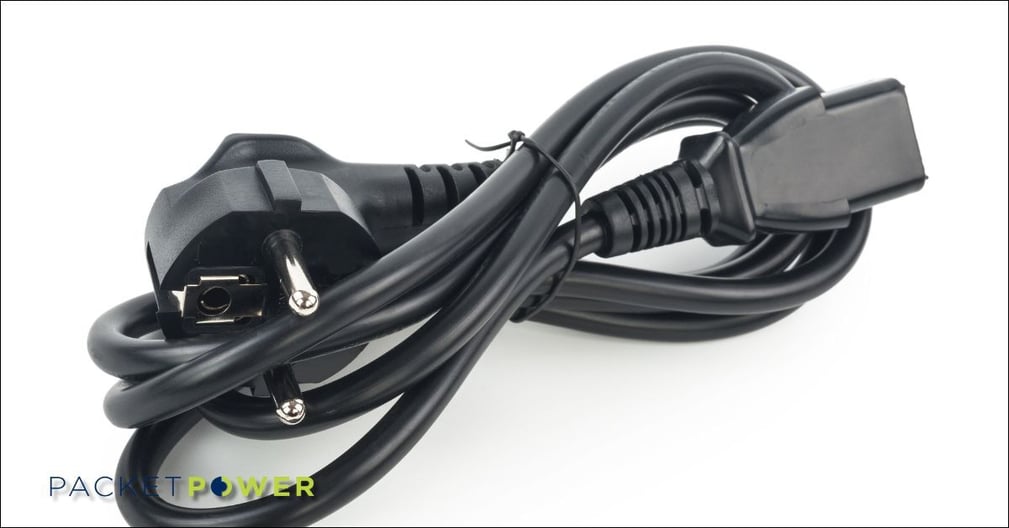
When choosing smart power cables, the conversation around single-phase vs three-phase is more than just technical jargon. It's about selecting the right tool for the job.
Whether you manage a large data center or work in industrial automation, the type of cable you use will affect performance, cost, safety, and future upgrades.
In this article, we’ll break down the key differences between single-phase and three-phase smart power cables. We’ll cover current ratings, voltage ranges, physical design, and where each type is most useful.
You'll also learn a few lesser-known facts that can help you make a better decision when planning your power infrastructure.
What Are Single-Phase and Three-Phase Power Cables?
Single-phase and three-phase refer to the way electricity is delivered through power cables.
A single-phase cable carries one alternating current, while a three-phase cable carries three alternating currents that reach their peak at different times. This setup allows for smoother and more stable power flow in larger systems.
Single-phase smart cables are used in setups with low to moderate power needs. These are common in small offices, point-of-sale systems, and light-duty servers. Three-phase smart cables are designed for larger systems that need more power, such as industrial machines, large data centers, and electric vehicle charging stations.
Modern smart cables are not just wires. They often include sensors that provide real-time data on current, voltage, temperature, and power usage. These insights are valuable for monitoring energy efficiency and spotting potential problems early.
According to the U.S. Department of Energy, businesses can save up to 20% on energy costs by using smart power systems that monitor and adjust power use.
Comparing Amperage: 10–32 A vs 16–100 A
The amperage rating tells you how much electrical current a cable can carry. Single-phase smart cables typically support between 10 and 32 amps.
This range works well for devices that don't draw a lot of power, such as laptops, desktop computers, and small networking equipment.
Three-phase smart cables usually support between 16 and 100 amps, which makes them better suited for high-power applications like:
- Server racks in data centers
- Factory machines
- Large cooling units
Fast EV chargers
An advantage of three-phase cables is that they can deliver more power using thinner wires. This can reduce installation costs and simplify cable management. Using three-phase cables now may save time and money later if your power needs increase.
Voltage Ranges: 100–240 V vs 100–480 V
Voltage is another key difference.
Single-phase cables typically work in the 100 to 240-volt range. This matches the standard power in homes and small commercial spaces in North America.
Three-phase cables support a wider range, usually 100 to 480 volts. This makes them more flexible for global use. For example, they work in 208V data centers in the U.S. and 400V industrial sites in Europe.
Using higher voltages can lower energy loss and help devices run more efficiently. For the same amount of power, a higher voltage means less current is needed. This reduces heat and wear on equipment. According to some reports, switching to a higher-voltage setup can reduce copper use by up to 35% and improve overall efficiency.
Physical Design and Installation
The shape and size of smart power cables vary depending on whether they are single-phase or three-phase.
Single-phase cables are usually lighter, thinner, and more flexible. They fit easily into tight spaces and are simple to install. These features make them a good choice for smaller setups or upgrades where space is limited.
Three-phase cables are larger and heavier. They include three live wires, plus a neutral and ground wire. This gives them more capacity but also means they take up more space and may need professional installation.
While single-phase cables are easier to set up, three-phase cables offer more power in the same space once installed. This makes them a smart option for new builds or major infrastructure upgrades.
Connector Types and Data Features
The type of connector your cable uses affects what it can plug into. Smart cables also often support digital monitoring features.
Common connectors for single-phase cables include:
- IEC 60320 C13, C15, and C19
- NEMA 5-15P and 5-20P
- Some models include built-in data modules
Connectors for three-phase cables often include:
- IEC 60309 for industrial use
- NEMA L21-20P and L22-30P
- Custom connectors for special power setups
Many smart cables support protocols like SNMP, Modbus, or MQTT. These allow real-time monitoring of power use, temperature, and other factors through a central system.
Packet Power, a well-known brand in this space, offers cables that transmit energy data over wireless mesh networks. These cables require no extra software or network hardware, making deployment faster.
Where to Use Each Type
The differences between single and three-phase models become clearer when you look at real-world applications.
Best Uses for Single-Phase Cables:
- Retail checkout systems
- Office equipment
- Small server closets
- Wall-mounted EV chargers
Best Uses for Three-Phase Cables:
- Hyperscale data centers
- Heavy-duty industrial machines
- HVAC systems in large buildings
- High-capacity EV charging hubs
In general, if your equipment uses less than 3 kilowatts of power, single-phase is fine. If it draws more than 5 kilowatts, or if you plan to expand soon, three-phase is a better long-term choice.
Monitoring and Scalability
Smart cables now include a range of monitoring tools. These tools help companies track power use, reduce waste, and spot issues before they cause downtime.
Both single-phase and three-phase models can include:
- Real-time power tracking
- Alerts for overheating or overuse
- Power factor measurements
- Logs for compliance and audits
Three-phase systems have one extra benefit: they can detect phase imbalance. If one of the three currents is stronger or weaker than the others, it can lead to overheating or damage to motors and other devices.
The IEEE has found that even a small imbalance (just 2%) can lower motor efficiency by 10 percent and cut its life in half. This extra visibility can help prevent problems and reduce the need for emergency repairs.
Costs and Long-Term Value
Three-phase systems usually cost more up front. They use thicker cables, more complex connectors, and often need certified installers.
However, they also deliver more power with fewer cables. Over time, this can reduce energy losses and cut down on replacement and maintenance costs.
Single-phase cables are less expensive to buy and install. They are perfect for smaller systems and quick upgrades. But if your power needs grow, you may have to install additional circuits or switch to a higher-capacity system later.
The right choice depends on how much power you need now and how much you expect to need in the future.
Safety and Compliance
Smart power cables need to meet strict safety and environmental rules. Reputable manufacturers design their products to meet industry standards such as:
- UL 817 for cord sets
- IEC 60309 for industrial connectors
- RoHS and REACH for chemical safety
- CE certification for use in Europe
Three-phase systems usually have added safety features like:
- Locking connectors to prevent accidental unplugging
- Labels for voltage and phase information
- Heavy-duty insulation and weather protection
Some smart cables also include security tools to protect the data they collect. This is becoming more important in facilities where energy use is tracked over networks.
Conclusion
Choosing between single-phase vs three-phase is about more than voltage and wire size. It’s about planning for your current power needs while keeping future growth in mind.
Single-phase cables are perfect for low-power setups and small upgrades. They are easy to use and widely compatible. Three-phase cables offer more power and better data, making them ideal for high-demand systems and long-term installations.
With smart monitoring features now common in both types, the decision comes down to scale, application, and long-term planning.
Whether you're scaling up your data center, updating industrial systems, or simply need more reliable power data, Packet Power offers a wide range of smart single-phase and three-phase cable solutions. All products are built to simplify energy monitoring and make installation fast and flexible.
Explore Packet Power’s smart cable lineup today and discover how easy it can be to add real-time visibility to your power systems, no complex wiring or gateways required.